Description
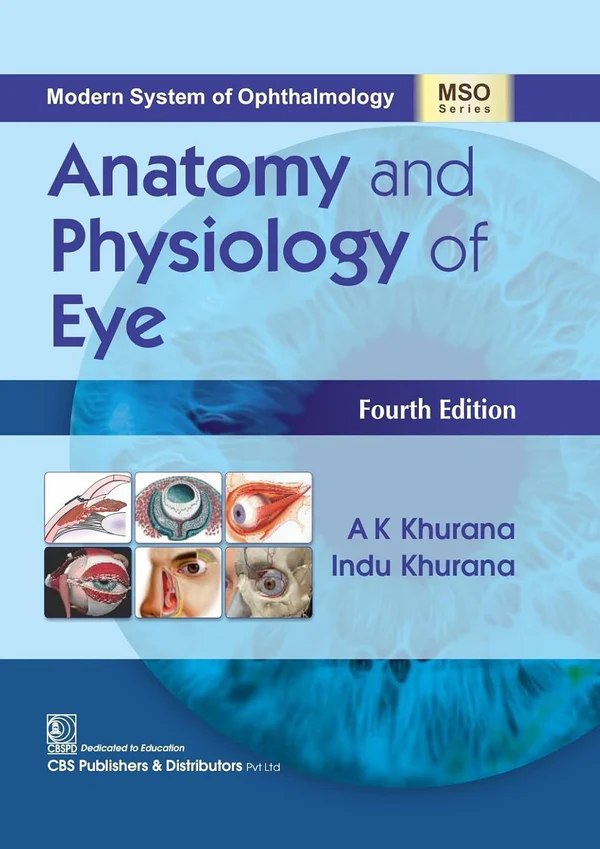
Modern System of Ophthalmology Anatomy and Physiology of Eye 4th Edition
Modern System of Ophthalmology Anatomy and Physiology of Eye 4th Edition
Build a Strong Foundation with Modern System of Ophthalmology Anatomy and Physiology of Eye 4th Edition
Modern System of Ophthalmology Anatomy and Physiology of Eye 4th Edition is a comprehensive resource designed to help students and healthcare professionals understand the structure and function of the human eye. A solid understanding of ocular anatomy and physiology is essential before learning clinical ophthalmology, diagnosing eye diseases, or performing eye examinations.
Written in a clear and student-friendly style, this book explains complex concepts with logical organization, making it suitable for classroom learning, self-study, and exam preparation. Whether you are an MBBS student, postgraduate trainee, doctor, or allied health professional, this title is a valuable addition to your collection of medical textbooks and MBBS books.
Why Choose Modern System of Ophthalmology Anatomy and Physiology of Eye 4th Edition?
The Modern System of Ophthalmology Anatomy and Physiology of Eye 4th Edition provides a detailed yet easy-to-understand explanation of the anatomy, physiology, and functional mechanisms of the eye. Instead of relying on memorization alone, it helps readers develop a conceptual understanding that supports both academic learning and clinical practice.
Furthermore, the book follows a structured approach that makes it easier to revise important topics before professional examinations, viva sessions, and clinical postings. It also complements anatomy books, clinical medicine books, and other healthcare education resources used during medical education.
What Is Covered in This Book?
This edition covers the essential principles of ocular anatomy and physiology, including:
- Gross anatomy of the eye and orbit
- Embryology of the eye
- Histology of ocular tissues
- Cornea and sclera
- Lens anatomy and physiology
- Retina and visual pathways
- Extraocular muscles
- Eyelids and lacrimal apparatus
- Aqueous humor production and drainage
- Vitreous body
- Blood supply and nerve supply of the eye
- Physiology of vision
- Accommodation and refractive mechanisms
- Pupillary reflexes
- Ocular movements and binocular vision
- Basic clinical correlations for eye disorders
The content builds a strong theoretical base that prepares readers for advanced ophthalmology studies and clinical practice.
Who Should Use This Book?
This book is suitable for a wide range of learners and healthcare professionals, including:
- MBBS students
- Medical interns
- Ophthalmology residents
- Doctors
- Allied health professionals
- Physiotherapy students studying neuroanatomy and cranial nerve function
- Orthopedic trainees interested in head, neck, and neuroanatomical relationships
- Rheumatology students learning about ocular manifestations of autoimmune diseases
- Healthcare educators and lecturers
It also serves as an excellent companion to clinical medicine books, anatomy books, orthopedic surgery books, physiotherapy books, and surgery books.
Clinical and Educational Benefits
Understanding the anatomy and physiology of the eye is fundamental for recognizing normal vision as well as identifying pathological changes. This book explains the relationship between anatomical structures and their physiological functions, making difficult concepts easier to understand.
In addition, readers gain a better appreciation of how ocular structures interact during vision, eye movements, and neurological reflexes. These concepts support learning in ophthalmology, neurology, anatomy, physiology, and clinical medicine.
The knowledge gained from this book is also valuable when studying systemic diseases with ocular involvement, including autoimmune and rheumatologic conditions.
Practical Learning Advantages
One of the greatest strengths of this book is its logical progression from basic anatomy to physiological mechanisms and clinical relevance.
Students can confidently prepare for written examinations, practical assessments, and viva examinations while improving their understanding of eye structure and function. The organized presentation also makes revision quicker and more efficient.
Moreover, the clinical correlations encourage readers to connect theoretical knowledge with real-world patient care, helping bridge the gap between classroom education and clinical practice.
Key Features
Comprehensive Anatomy and Physiology
Provides detailed coverage of every major anatomical structure and physiological process involved in vision.
Student-Friendly Language
Concepts are explained in clear, professional English that is easy to understand for undergraduate and postgraduate learners.
Well-Organized Chapters
The systematic layout allows readers to study topics step by step and revise efficiently before examinations.
Strong Clinical Correlation
Links anatomical knowledge with physiological function and basic clinical applications for better understanding.
Ideal for Academic Success
Supports classroom learning, self-study, practical examinations, and postgraduate preparation.
Excellent Reference Resource
Complements medical textbooks, MBBS books, anatomy books, clinical medicine books, orthopedic surgery books, physiotherapy books, surgery books, and other healthcare education resources.
Why This Book Is Valuable for Healthcare Professionals
Healthcare professionals benefit from a thorough understanding of ocular anatomy because eye findings often reflect systemic diseases. Doctors, ophthalmology trainees, and medical students can use this book to strengthen their clinical reasoning while improving diagnostic confidence.
Orthopedic trainees studying craniofacial anatomy and rheumatology students learning about inflammatory eye manifestations will also find the content informative. Likewise, physiotherapy students can enhance their understanding of cranial nerves, ocular motor function, and neurophysiology through the concepts presented in this book.
Frequently Asked Questions (FAQ)
Is this book suitable for MBBS students?
Yes. It provides an excellent foundation in ocular anatomy and physiology, making it highly suitable for MBBS students and medical interns.
Can doctors use this book?
Absolutely. Doctors and ophthalmology trainees can use it as a reliable reference for revising fundamental concepts and strengthening clinical knowledge.
Is this book useful for physiotherapy students?
Yes. Physiotherapy students studying neuroanatomy, cranial nerves, and visual pathways will benefit from the detailed explanations.
Can orthopedic trainees benefit from this book?
Yes. Orthopedic trainees can improve their understanding of orbital anatomy, skull relationships, cranial nerves, and musculoskeletal structures associated with the eye.
Is this book helpful for rheumatology students?
Yes. Rheumatology students can better understand the anatomical basis of ocular involvement in autoimmune and inflammatory diseases affecting the eye

Reviews
There are no reviews yet.